The Critical Role of Emergency Rooms: Benefits
Emergency rooms (ERs) are the backbone of healthcare systems, providing critical and immediate medical attention in times of crisis. While urgent care centers and primary care physicians address a spectrum of health needs, emergency rooms play an irreplaceable role in handling life-threatening situations. In this article, we delve into the essential benefits of emergency room, emphasizing their critical function in ensuring the well-being of individuals facing acute medical emergencies.
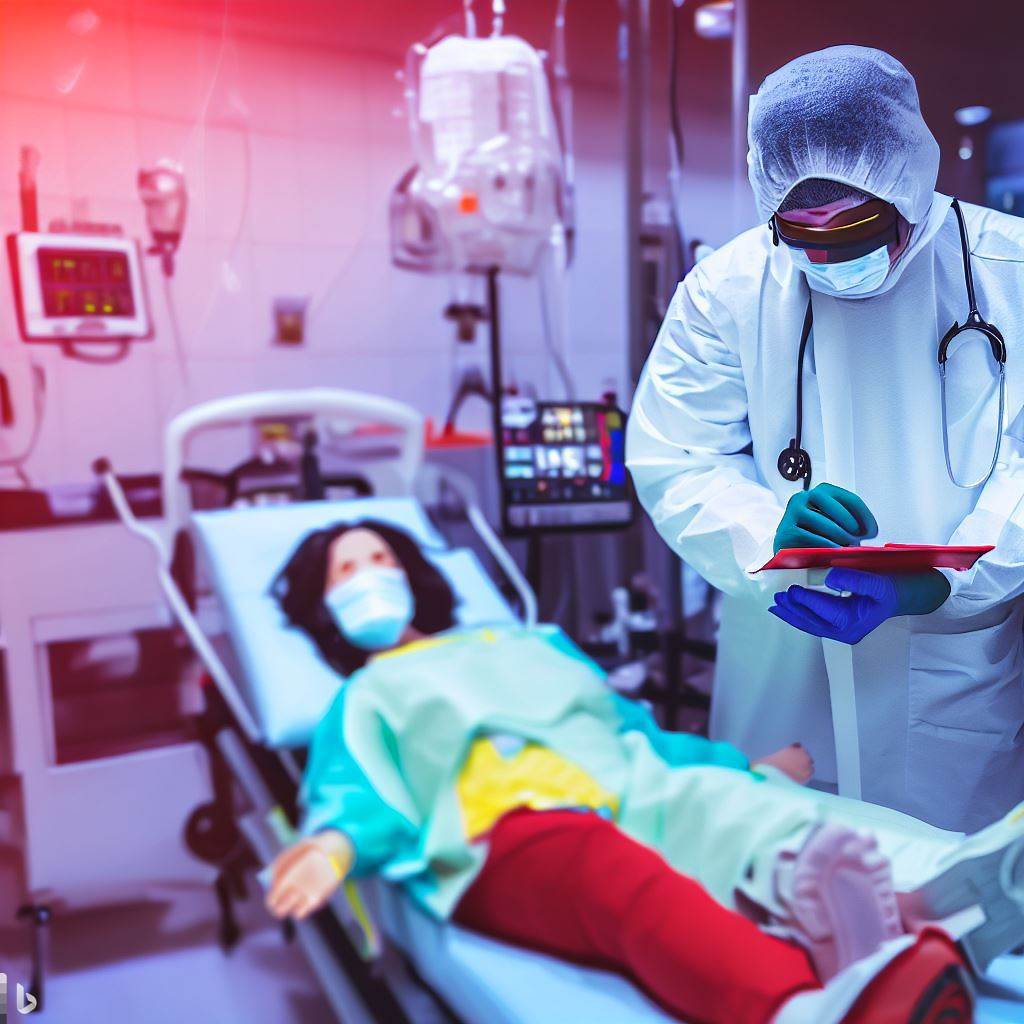
Immediate Response to Life-Threatening Situations
Emergency rooms are specifically designed to handle severe and life-threatening conditions, such as heart attacks, strokes, major traumas, and other critical health crises. The primary benefit lies in their ability to provide immediate and specialized care to stabilize patients and initiate life-saving interventions.
Comprehensive Diagnostic Capabilities
ERs are equipped with advanced diagnostic tools, including X-rays, CT scans, and laboratory facilities. This allows healthcare professionals to quickly assess and diagnose complex medical conditions, enabling them to formulate effective treatment plans promptly. The comprehensive nature of these diagnostic capabilities contributes significantly to the efficiency of emergency care.
24/7 Availability for Unpredictable Emergencies
Unlike many healthcare facilities that operate on regular business hours, emergency rooms are open 24/7. This constant availability ensures that individuals facing medical emergencies, regardless of the time of day or night, can access immediate and expert medical attention. ERs are crucial in situations where time is of the essence.
Multidisciplinary Healthcare Teams
Emergency rooms are staffed with multidisciplinary teams of healthcare professionals, including emergency physicians, nurses, specialists, and support staff. This collaborative approach ensures that patients receive comprehensive care, with specialists on hand to address specific medical issues, providing a holistic response to complex emergencies.
Access to Specialized Equipment and Resources
Emergency rooms are equipped with state-of-the-art medical equipment and resources, ranging from life support systems to surgical facilities. This high level of readiness allows healthcare professionals to respond effectively to diverse medical emergencies, from cardiac events to severe trauma cases.
Seamless Coordination with Follow-Up Care
Following stabilization and initial treatment, emergency rooms facilitate seamless coordination with follow-up care. Patients can be referred to appropriate specialists or admitted to the hospital for further treatment and recovery. This continuity of care ensures a smooth transition from the immediate emergency response to ongoing medical management.
Inclusive Emergency Mental Health Care
Recognizing the importance of mental health, many emergency rooms now offer specialized services for individuals facing acute mental health crises. This inclusive approach acknowledges the significance of addressing both physical and mental health emergencies, promoting holistic well-being.
Conclusion:
Emergency rooms are indispensable components of healthcare systems, providing immediate, life-saving care in critical situations. The benefits of emergency rooms extend beyond their rapid response capabilities, encompassing comprehensive diagnostics, 24/7 availability, multidisciplinary healthcare teams, access to specialized equipment, and seamless coordination with follow-up care. As pillars of emergency healthcare, ERs stand as essential guardians of public health, ensuring that individuals facing acute medical crises receive the urgent and expert care they need.

Comments
Post a Comment